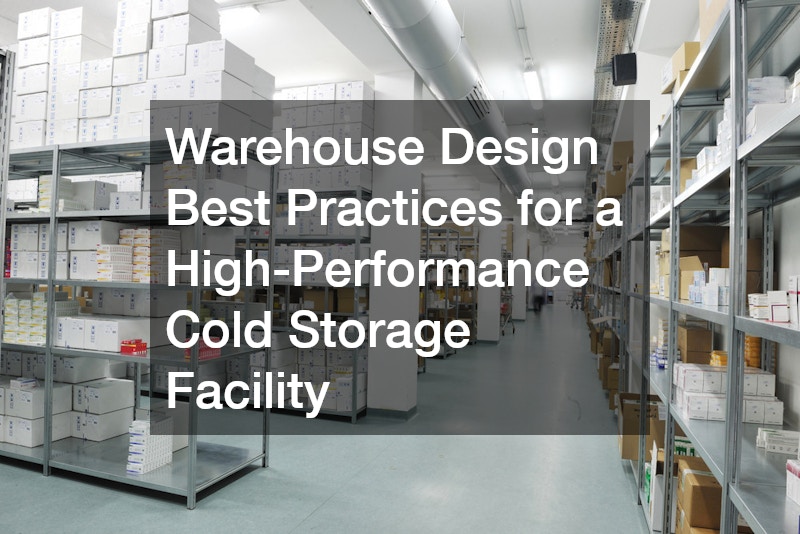
Designing a high-performance warehouse requires careful planning, especially when temperature control is involved. A well-structured layout, efficient material flow, and optimized storage systems all contribute to operational success. In environments where products must be preserved under strict conditions, such as a cold storage facility, design decisions directly impact energy usage, product integrity, and labor efficiency. Every element, from racking systems to traffic patterns, must work together to maintain consistent temperatures while supporting smooth day-to-day operations.
A thoughtfully designed warehouse not only improves productivity but also reduces long-term operational costs. By integrating modern technologies, prioritizing scalability, and ensuring compliance with safety standards, businesses can create facilities that support growth while maintaining high performance.
The following best practices outline how to approach warehouse design in a way that enhances efficiency, maximizes storage capacity, and supports sustainable operations.
Prioritizing Layout and Workflow Efficiency
An effective warehouse layout is the foundation of a high-performing operation. The goal is to minimize unnecessary movement while maximizing accessibility to inventory. Zoning the warehouse into clearly defined areas—such as receiving, storage, picking, packing, and shipping—helps streamline workflow and reduce congestion.
In many operations, inefficiencies arise when materials must travel long distances between stages. Designing a linear or U-shaped flow can help ensure that goods move logically through each step of the process. Wide aisles, clearly marked pathways, and strategically placed staging areas also contribute to smoother operations. In environments like a cold storage facility, reducing travel time is especially important because it helps limit exposure to temperature fluctuations and improves energy efficiency.
Another key consideration is the placement of high-demand inventory. Fast-moving items should be stored in easily accessible locations near picking zones, while slower-moving products can be placed in more remote storage areas. This approach reduces travel time for workers and increases overall picking efficiency. Proper workflow design not only enhances productivity but also minimizes labor costs and operational delays.
Maximizing Storage Density Without Sacrificing Accessibility
Efficient use of space is critical in any warehouse environment. Vertical storage solutions, such as high-density racking systems and mezzanine levels, allow businesses to take advantage of available height rather than expanding the facility footprint. However, maximizing density must be balanced with accessibility to ensure smooth operations.
Selecting the right racking system depends on the type of inventory being stored. Options such as pallet racking, drive-in racks, and push-back systems each offer different advantages in terms of density and accessibility. For example, drive-in racking provides high storage density but may reduce selectivity, while selective racking allows for easy access to individual pallets.
Clear labeling systems and inventory tracking technologies further enhance accessibility. Barcode scanning and warehouse management systems (WMS) help ensure that products can be located quickly and accurately. In a cold storage facility, maintaining organized storage is essential to reduce the time doors remain open, which helps preserve internal temperatures and reduce energy consumption.
Integrating Temperature Control and Energy Efficiency
Temperature regulation is one of the most important aspects of warehouse design when dealing with perishable goods. Insulation, refrigeration systems, and airflow management all play a role in maintaining consistent internal conditions. Poor design can lead to temperature fluctuations, which may compromise product quality and increase energy costs.
High-performance insulation materials help reduce heat transfer between the interior and exterior environments. In addition, installing high-speed doors and air curtains can minimize the exchange of air when doors are opened. These features are especially valuable in a cold storage facility, where even small temperature variations can have significant impacts on stored goods.
Energy-efficient refrigeration systems should be carefully selected and properly maintained to ensure optimal performance. Advanced systems with variable-speed compressors and smart controls can adjust output based on demand, reducing unnecessary energy consumption. Monitoring systems that track temperature and humidity levels in real time provide additional oversight and allow for quick adjustments when needed.
Planning for Scalability and Future Growth
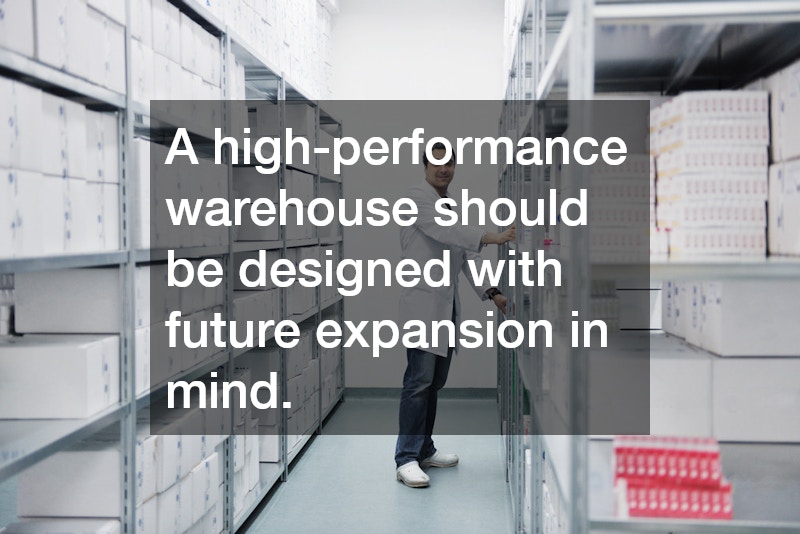
A high-performance warehouse should be designed with future expansion in mind. As business needs evolve, the ability to scale operations without major disruptions is a significant advantage. Flexible layouts, modular storage systems, and adaptable infrastructure make it easier to accommodate increased inventory or changes in product mix.
Planning for scalability may include leaving space for additional racking, designing electrical and refrigeration systems with extra capacity, and ensuring that structural elements can support future modifications. A cold storage facility benefits from this approach because demand fluctuations and seasonal variations often require adjustments in storage capacity and operational flow.
Designing a high-performance warehouse requires a strategic balance of layout efficiency, storage optimization, safety, technology integration, and scalability. Each component must work together to create an environment that supports smooth operations while minimizing costs and risks. Careful planning during the design phase can significantly impact long-term productivity and profitability.
From organizing workflow patterns to implementing advanced automation systems, every decision plays a role in shaping overall performance. Temperature-controlled environments add another layer of complexity, requiring attention to insulation, energy efficiency, and equipment selection. When executed properly, these elements contribute to a reliable and efficient operation that can adapt to changing demands.
Ultimately, investing in thoughtful warehouse design leads to improved operational control, reduced waste, and enhanced product quality. Businesses that prioritize these best practices are better positioned to maintain consistent performance and achieve sustainable growth over time.